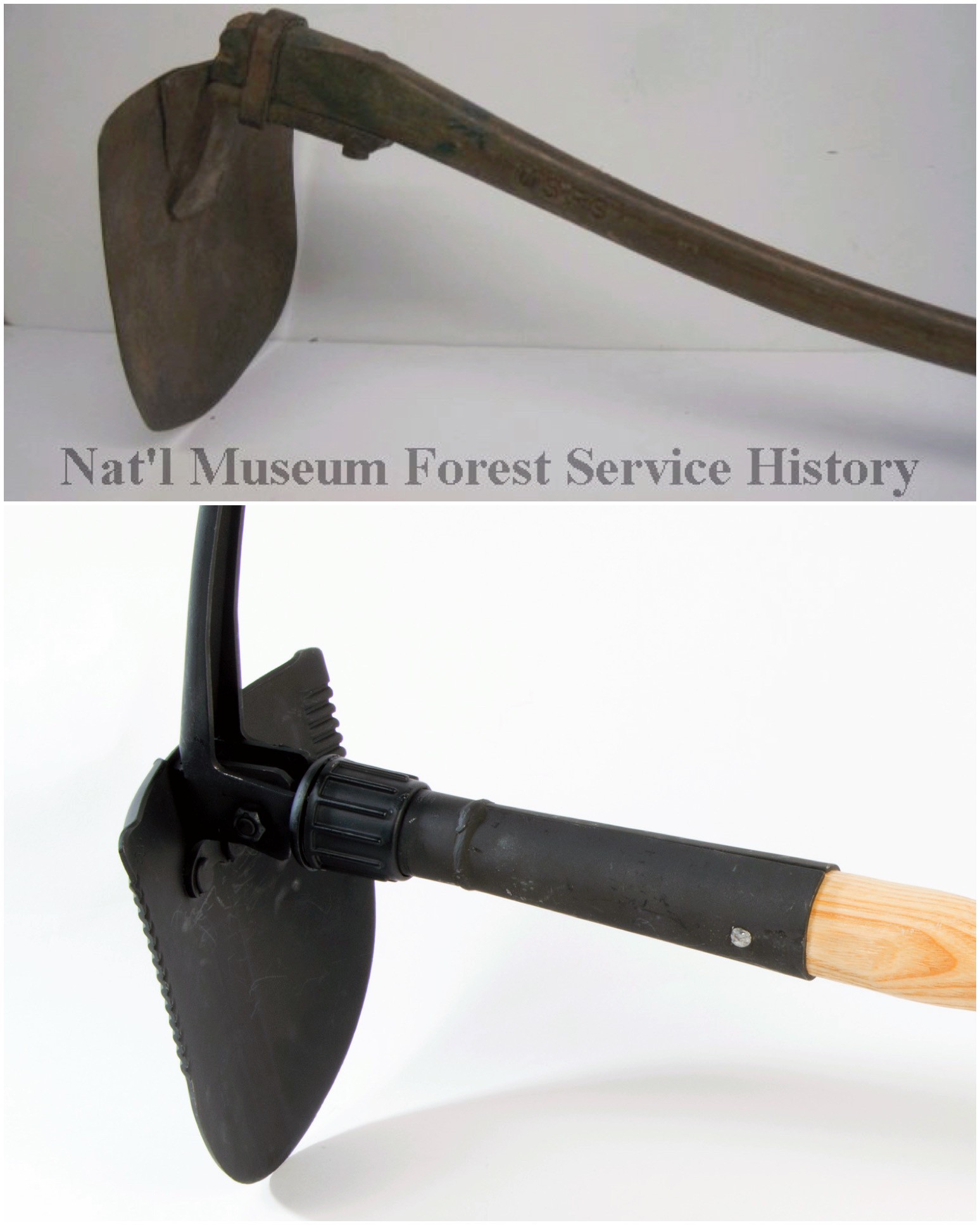
When the ground is dry, the wind is up, and the fire is running, wildland firefighters reach for tools built on simplicity, durability, and sheer usefulness. Few tools embody that spirit better than the combi tool, a two-sided, go-anywhere implement forged for the demanding realities of fireline construction.
A Tool Forged by Necessity
The modern combi tool came out of decades of hard-earned lessons on the fireline. Wildland crews needed a single hand tool that could dig, chop, scrape, pry, and pull without swapping gear in the middle of a moving situation. Early forms of dual-purpose tools like “entrenching shovels” existed in forestry and military history. Especially those combining picks and digging blades. It wasn’t until the 20th century that wildland agencies began standardizing the combination shovel/pick design we now recognize as the combi tool.
The result is a tool that provides the versatility of a digging blade and the penetrating power of a pick. Light enough to swing for hours, tough enough to cut through root systems and mineral soil. Council Tool manufactures its combi tool to NFES Forest Service specifications, continuing a lineage of purpose-built equipment developed with input from wildland firefighters themselves.
Construction: Built for Fireline Abuse
Council Tool’s Combi Tool is a straightforward blend of durability and practicality:
–Shovel/Chopping Blade: A sharply-ground, compact blade designed to slice through light brush, scrape to mineral soil, and dig out hotspots.
–Pick End: Ideal for prying up roots, rocks, buried fuels, and stubborn debris.
–Heat-Treated Tool Steels: Fully heat-treated components maximize toughness, edge retention, and impact resistance.
–42” American Ash Handle: Strong, shock-absorbent, and long enough for ergonomic digging and chopping.
–Multiple Working Positions: The head locks into shovel-only, pick-only, or combination position, depending on the task.
–“FSS” Blade Marking: Signifying the Forest Service Specification standard.
In short: this isn’t a hardware-store novelty. It’s a professional-grade, fireline-tested tool.
History & Background
While combination tools appeared in forestry long before the combi tool was standardized, its modern adoption grew alongside the rapid expansion of organized wildland firefighting in the mid-20th century. As agencies like the U.S. Forest Service and Bureau of Land Management refined hand-tool standards, the combi tool emerged as a lightweight alternative to heavier implements and a natural companion to classic wildland tools.
Interestingly, the dual-sided shovel/pick concept has deep historical roots, stretching back even to military entrenching tools, which were essential for digging, fortification building, and field survival. Similar compact pick/shovel hybrids appeared in military packs from World War I onward and were used in modern conflicts in the Middle East for building sandbag positions and digging fighting holes.
The wildland combi tool is a descendant of those same principles: compact, versatile, and engineered for the field.
Uses: Why Fire Crews Rely on It
The combi tool’s design allows it to shine in several essential duties:
🔥 Fireline Construction
Its primary job. Firefighters use the shovel edge to scrape down to mineral soil and the pick to break apart roots and tough ground. Its light weight allows crews to build long line quickly.
🔥 Mop-Up Operations
After a fire is contained, the combi tool becomes a hotspot hunter. Digging out embers, exposing smoldering roots, or opening deep ash pits to cool them.
🔥 Trail Building & Maintenance
Outside fire season, forestry crews use combi tools for:
-cutting small roots
-loosening compacted soil
-clearing tread
-removing rocks
🔥 General Digging & Ground Work
The shovel side handles loose material, while the pick can chip through hardpan, compacted clay, or rocky soil. It’s especially useful for creating trenches, small drainage cuts, or utility holes.
Why It Endures
The combi tool remains popular because it balances versatility and simplicity. It’s a tool that digs like a shovel, cuts like a hoe, and pries like a pick. All in a single, packable, proven design. Council Tool’s forged version continues the tradition with American-made materials built to survive the harshest conditions on the line.
Sources:
-National Interagency Fire Center – Firefighting Resources Tool Feature (Combi Tool)
-Council Tool Company – Combi Tool product specifications
-USDA Forest Service – Hand Tool Standards & Line Construction Guidelines
-Forest Service Museum Collection – Tool archives and historical references